
Episode 22 · International
Why displaced people need a digital identity
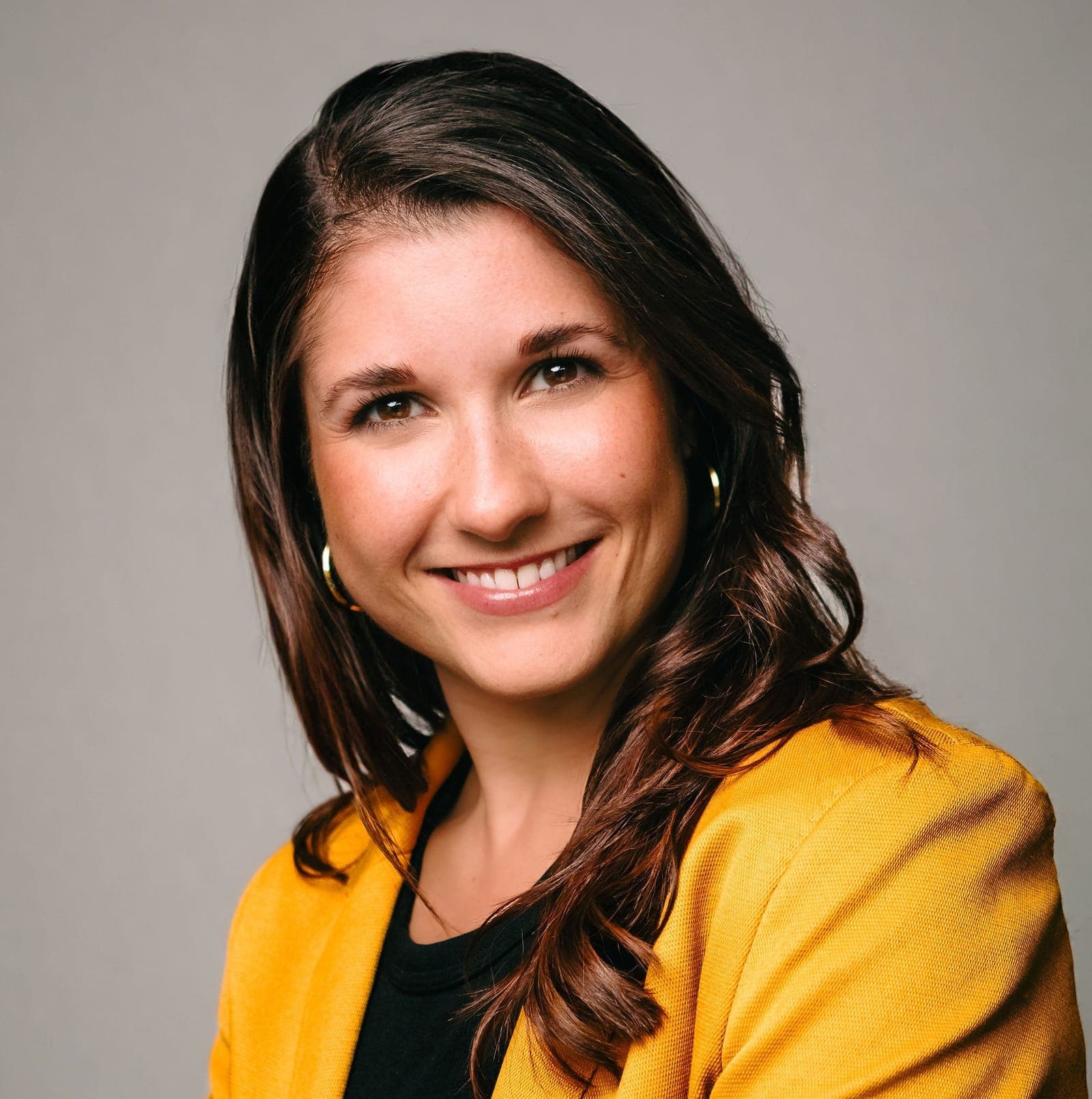
Nadia Kadhim · Co-founder, Naq
Jan 2026
Listen on your preferred channel
Listen
About this episode
There are 43 million people displaced through conflict and environmental disaster. Their likelihood of accessing good healthcare is already poor - and as we race towards algorithmic decision-making, they are becoming invisible in the data underpinning it. Nadia Kadhim, co-founder of Naq and daughter of an Iraqi refugee, explores what digital identity and data ownership really mean for displaced people, why this is an everybody problem, and what builders, policymakers, and funders need to do differently.
“We need to stop thinking about records about people and about refugees - and start thinking about records owned by refugees and displaced people themselves.”
Nadia Kadhim
What we cover
- 01Digital identity for displaced people is broken - and how this creates very real barriers to care
- 02Two stories: a friend who fled imprisonment with no identity documents, and a Ukrainian mother whose daughter's chronic illness nearly went untreated
- 03Why statelessness blocks not just healthcare but the ability to attach any human rights to a person
- 04The collision of law, politics, healthcare, and innovation: why this problem keeps not getting solved
- 05Whose data is it? Moving from records about refugees to records owned by refugees
- 06Data security risks unique to displaced people: governments as bad actors, data that could be used for persecution
- 07The inverse care law and health data poverty: the people who need algorithmic decision-making most are least represented in the training data
- 08The business case problem: a refugee's health shouldn't live or die by a VC return timeline
- 09What founders building digital health tools should do right now - even if refugees aren't their primary user group
About the guest
Nadia Kadhim
Co-founder, Naq
Nadia Kadhim is co-founder of Naq, an automated compliance platform for healthcare and digital health companies. With a background in international humanitarian law, child rights, and privacy from Leiden University and years as a privacy officer, Nadia co-founded Naq to make regulatory compliance accessible and meaningful for health organisations. Her father was an Iraqi refugee, and her passion for human rights and digital identity for displaced people runs through everything she does.
Chapters
Transcript
Working in digital health?
Heard something relevant to your work?
Shubs consults on clinical leadership, evidence strategy, and digital health market access. If this conversation sparked something, it is worth a conversation.
Shubs takes on consulting work with startups, investors, and global organisations across digital health.
Working on something in digital health?
→ Get in touchSend to a friend
You might also like
JOIN THE CONVERSATION
Get new episodes direct to your inbox.
No spam. Unsubscribe at any time.